
Can an Artificial Skylight Improve Your Sleep and Mental Health? – The Science Behind Circadian Lighting

Have you ever experienced this:
You sleep a full seven or eight hours but still wake up feeling unrested? By mid-afternoon in the office, your brain feels foggy and your focus slips away? During winter, you just can't seem to shake that sluggish, low-energy feeling?
These experiences are surprisingly common – and they're often linked to one thing: your lighting environment is out of sync with your biology.
Modern humans spend more than 90% of their time indoors. And most indoor lighting is static – the same color temperature, the same brightness, from morning to night. Your body doesn't receive the signals that tell it “it's morning” or “it's evening,” and your biological clock loses its most important reference point for calibration.
Today, let's look at this from a scientific perspective: can an artificial skylight actually help you sleep better and feel better?
1. Natural Light and Your Body's Internal Clock
In 2017, the Nobel Prize in Physiology or Medicine was awarded to three American scientists – Jeffrey C. Hall, Michael Rosbash, and Michael W. Young – for their discoveries of the molecular mechanisms controlling the circadian rhythm. In simple terms, they explained why our bodies know “when to wake up and when to sleep.”
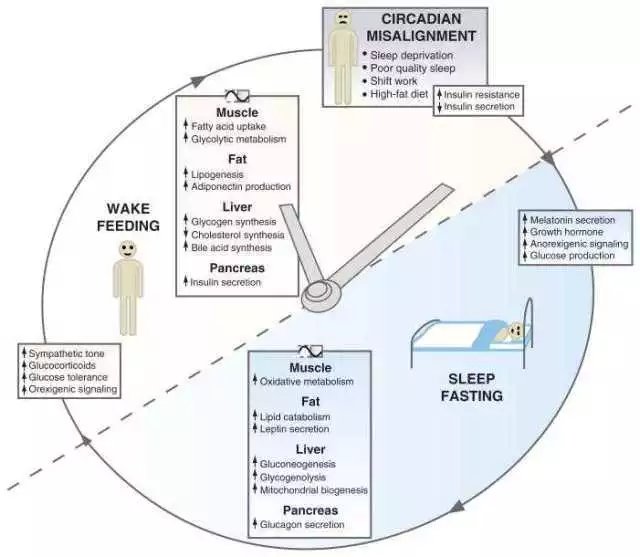
This “internal clock” is called the suprachiasmatic nucleus (SCN) , located in the hypothalamus of the brain. It regulates melatonin secretion, core body temperature, heart rate, hormone levels, and a host of other physiological processes. And light is the single most powerful signal that sets this clock.
Light enters the eyes and travels through a specialized neural pathway – the retinohypothalamic tract – directly to the SCN. In the morning, blue-rich sunlight tells the brain: “It's daytime – wake up.” Melatonin drops, cortisol rises, and you enter a state of high alertness. In the evening, as light warms and dims, the brain receives the signal: “Night is coming – prepare for rest.” Melatonin rises, and your body gradually relaxes.
This mechanism evolved over millions of years. The problem is: indoor life is disrupting it.
Studies have shown that static lighting suppresses melatonin secretion, delays circadian phase, and negatively impacts sleep quality and metabolic health. Reduced daytime light exposure delays the biological clock, negatively affecting sleep, cognition, and mood. Employees working in windowless offices report significantly worse sleep quality and physical health.
2. How Do Artificial Skylights “Calibrate” Your Biological Clock?
The core value of an artificial skylight is this: it doesn't just “illuminate” – it “regulates.”
1. Simulating the Dynamic Rhythm of Natural Daylight
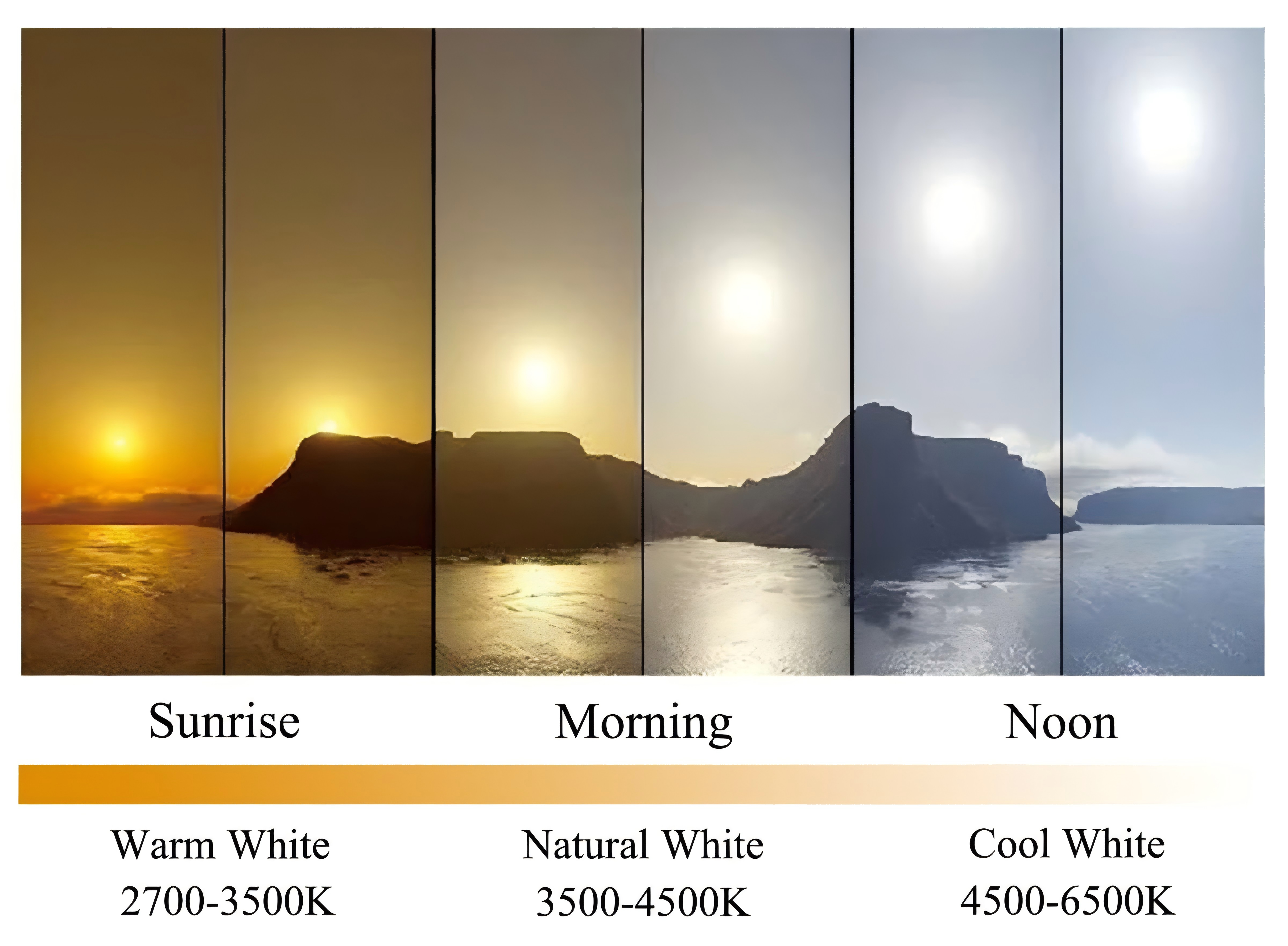
Lumin artificial skylights feature Rhythm Lighting functionality that automatically adjusts color temperature and brightness throughout the day:
-
Morning (6:30-8:30) : High color temperature, high brightness – rich in blue light to help your body “wake up.” Studies show that morning light exposure has the most significant effect on alertness and performance.
-
Noon: Bright, natural white light – maintains focus and concentration
-
Evening (19:30-21:30) : Warm color temperature, low brightness – promotes melatonin secretion and prepares the body for sleep
This dynamic lighting pattern synchronizes with the natural changes in daylight, ensuring your biological clock stays properly calibrated even when you're indoors.
2. Rayleigh Scattering: Restoring the Real “Light Signal”
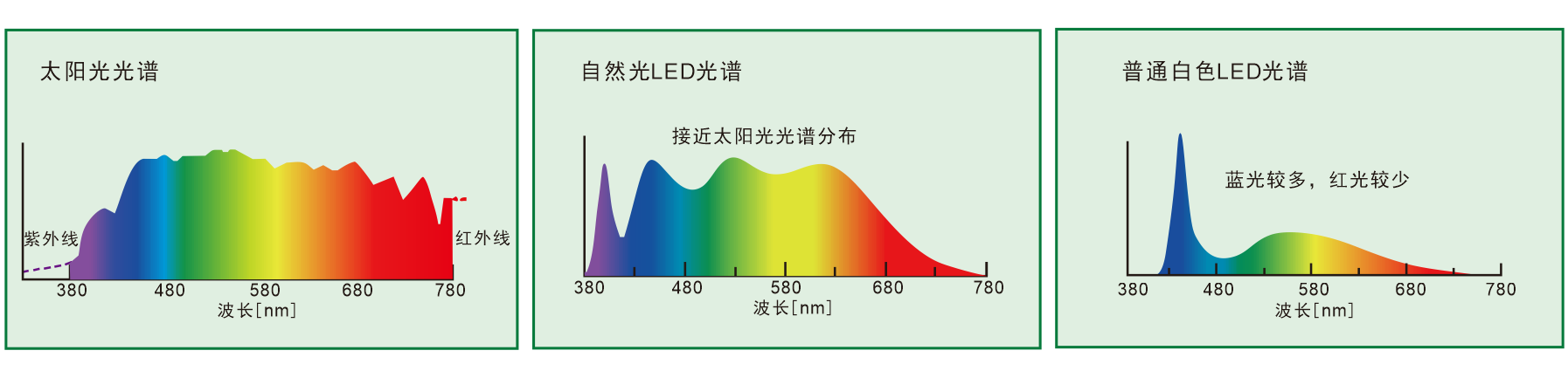
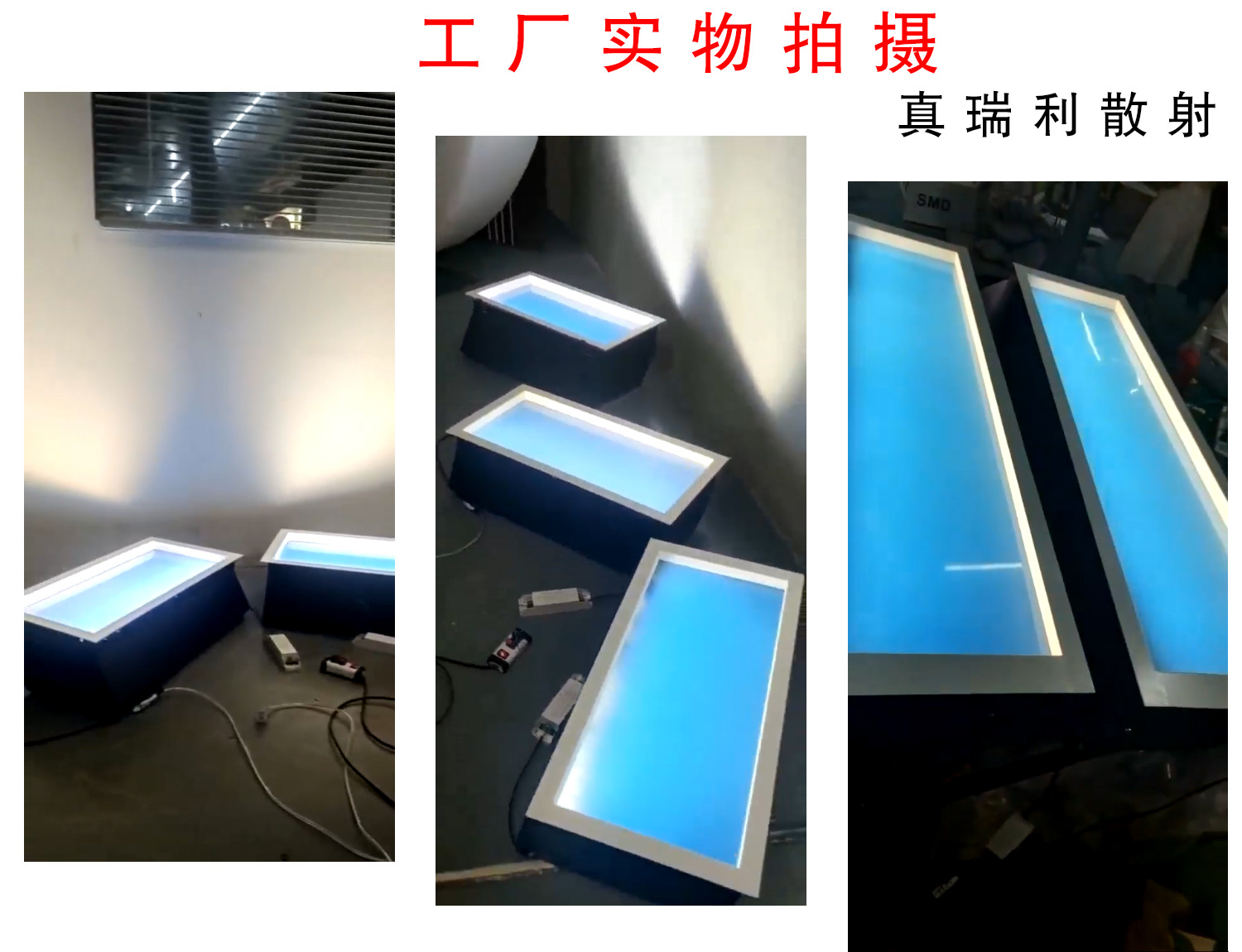
Lumin artificial skylights are built on the Rayleigh scattering principle. A nano-PMMA light guide plate simulates the atmosphere's scattering effect on sunlight. This isn't just about creating a visual “blue sky” – more importantly, it restores the spectral distribution of natural light.
A 2019 study published in the Journal of Physiological Anthropology found that artificial skylights using Rayleigh scattering technology outperformed traditional fluorescent lighting in maintaining daytime work performance, with less psychological and physiological stress. Another study confirmed that artificial skylight illumination improved participants' positive evaluation of the room atmosphere, enhanced the sense of connection with the outdoors, improved emotional state, and reduced stress levels.
3. The Special Role of Upper-Visual-Field Blue Light
Artificial skylights are installed in the ceiling, with light coming from above – closely matching the natural pattern of receiving skylight outdoors. Research has shown that blue light exposure in the upper visual field has a particularly strong effect on circadian calibration.
3. The Scientific Evidence: Does Circadian Lighting Actually Work?
Some might ask: is there real science behind this? The answer is yes. In recent years, a growing body of research has confirmed the health benefits of circadian lighting:
1. Improved Sleep Quality
A 16-week randomized controlled trial showed that enhanced circadian lighting increased deep sleep duration in older adults from 81±72 minutes to 128±51 minutes, while nighttime awakenings decreased from 4.56±2.68 to 3.25±2.03 per night.
A study of depressed inpatients found that dynamic bedroom lighting allowed patients to sleep an average of 27 minutes longer, improved sleep efficiency by 2.4%, and reduced nighttime wakefulness by 15 minutes.
2. Enhanced Cognitive Performance
The same 16-week study found that under enhanced circadian lighting, working memory accuracy improved from 55% to 85%, with faster reaction times.
3. Reduced Anxiety and Depression
Light therapy has been proven to have positive effects on depression, anxiety, and subjective sleep quality. In windowless office environments, artificial skylights led participants to report lower tension, anxiety, and claustrophobic symptoms, as well as higher positive emotional states. Under CoeLux artificial skylight illumination, participants felt calmer, more relaxed, and more connected to nature.
4. Improved Melatonin Secretion
A long-term study in office environments found that dynamic lighting increased average melatonin secretion by approximately 1.5 times (Δ≈21.7 pg/ml·h). Daytime dynamic lighting effectively promotes nighttime melatonin production and sleep initiation.
4. Who Should Consider Artificial Skylights?
-
People with sleep concerns – regulating your biological clock is one of the fundamental paths to better sleep
-
Remote workers – spending long hours in fixed lighting environments – dynamic light helps maintain daytime energy
-
Residents of dark bathrooms and basements – spaces lacking natural light need artificial skylights to supplement “light nutrition”
-
High-stress professionals – studies show artificial skylights can effectively reduce tension and anxiety levels
-
Designers and architects – bring human-centric lighting concepts to your projects and enhance spatial value
5. Lumin Artificial Skylights: Protecting Your Sleep and Health Through Technology
Lumin's artificial skylight series are designed around these scientific principles.
The Ultra-Thin PT/PL/PX Series feature profiles as slim as 36-70mm, suitable for various ceiling spaces. The Direct-Light E Series and Sun-Type T Series offer higher power (up to 600W) and greater luminous flux (>20,000lm).
All series support Rhythm Lighting functionality – via the app, the light automatically tracks the time of day, shifting from warm morning light to cool midday white to cozy evening tones. Control options cover DALI DT8, Zigbee, Tuya, Wi-Fi, Bluetooth, and RF remote – meeting everything from residential to commercial needs.
6. Conclusion
An artificial skylight isn't just another light fixture. It's a light environment management system, a biological clock calibrator, and a health tool that brings the outdoors back indoors.
Light isn't just about illumination – it regulates our sleep, mood, cognition, and health. As we spend more and more time indoors, using technology to simulate the dynamic changes of natural light isn't just a luxury – it's a necessary investment in your health.
Want to learn more about how Lumin artificial skylights can improve your sleep and mental health? Download the full Lumin skylight product catalog or contact our professional team for customized solutions.
Explore Commercial Artificial Skylight Panels Looking for realistic, glare-free sky lighting for your office, healthcare space or windowless interior? Our factory-direct artificial skylight panels deliver true Rayleigh scattering effects with a 5-year warranty and full OEM/ODM support.
📞 Contact Us
📍 Address: F3, Building 1, Baolu Technology Park, Shiyan Street, Bao‘an District, Shenzhen, Guangdong, China
📧 Email: info@luminlighting.com
📱 Phone: +86 15875556677
📥 Download Product Catalog: Lumin Full Series Skylight Catalog Download
How to Install an Artificial Skylight: Complete Guide for Different Ceiling Types (2026 Procurement Edition)
Fake Skylight vs Traditional Skylight: Complete Skylight Comparison Guide (2026)


